Disclosure: We may earn a small commission if you purchase through links on this page. No additional cost to you. We just want to be transparent about how we fund this site.
Orthofeet Kita vs Orthofeet Coral for Rheumatoid Arthritis of the Foot
Hands-free entry for affected hands versus extra depth for forefoot deformity. Two different problems the same condition can create.
We don't just recommend shoes. We explain why they work for your feet.
What You Need to Know First
Rheumatoid arthritis of the foot is an autoimmune disease in which the body's immune system mistakenly attacks the joints, beginning with the synovial lining that cushions them. In the foot, this most commonly affects the metatarsophalangeal joints at the ball of the foot, causing swelling, pain, and progressive deformity including forefoot widening, hammer toe formation, and toe drift. The right footwear reduces joint loading, accommodates deformities without pressure, and in many cases also needs to account for hand involvement that can make traditional lacing difficult.
Rheumatoid arthritis rarely affects just one joint system, and footwear needs often reflect that. Some people managing RA in their feet also have significant hand and finger involvement, making a shoe that requires daily lacing a genuine daily obstacle. Others have minimal hand involvement but significant forefoot deformity, widening, hammer toes, and toe drift that need serious accommodation without any compression. The Orthofeet Kita is built for the first problem, with a hands-free heel spring entry that eliminates bending and grip strength entirely. The Orthofeet Coral is built for the second, with an extra-depth stretch knit upper designed specifically to accommodate a changing forefoot shape. Many people with RA could reasonably need either one, or eventually both, depending on how the disease is currently affecting them.
Specs Compared
Factual specs only. No brand is favored. You decide what matters most for your feet.
Which One Is Right for You?
Both are excellent. Here is the honest case for each based on your specific situation.
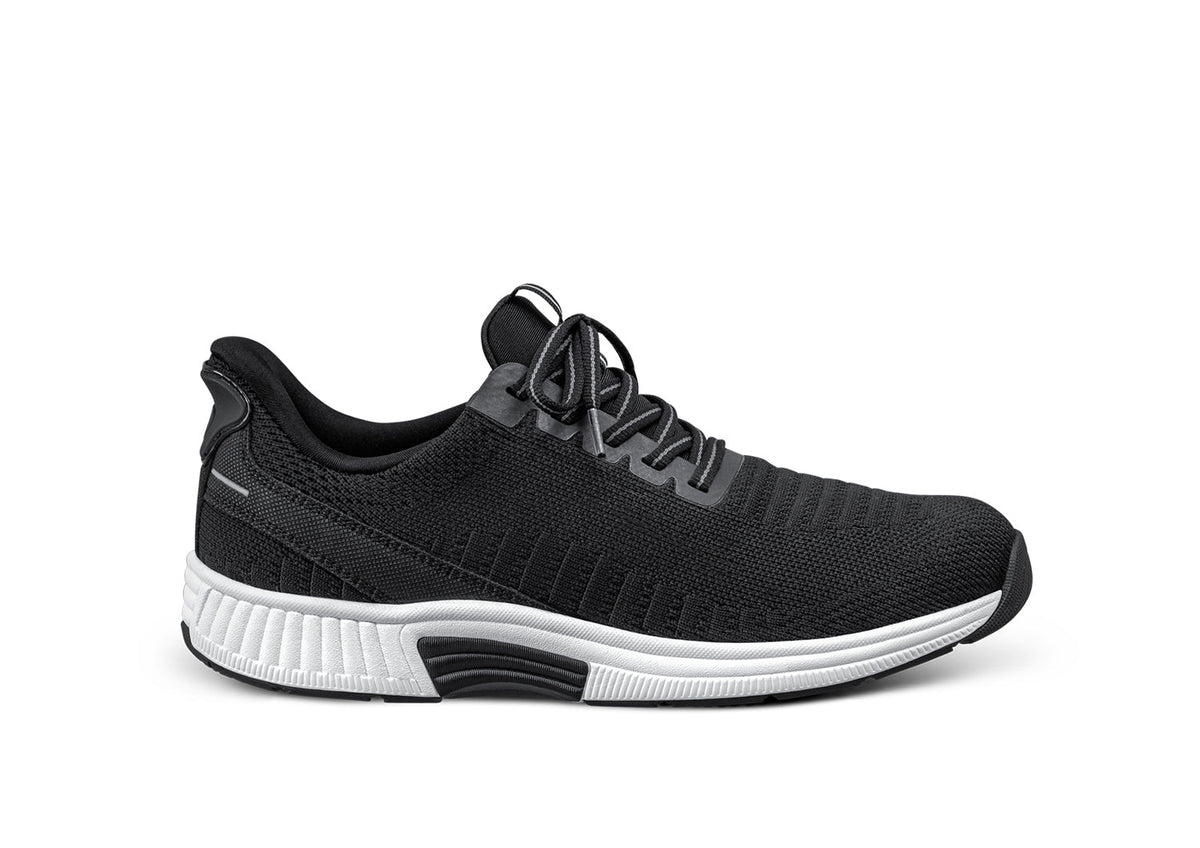
Orthofeet Kita
$130-$160
Choose this when
RA has affected your hands or fingers to the point where tying laces is painful or difficult. The Kita's hands-free heel spring entry eliminates bending and grip strength requirements entirely, addressing hand involvement directly rather than working around it. Its water-repellent stretch upper and seam-free interior also accommodate forefoot widening and inflamed tissue at the same time.
APMA Seal of Acceptance pid=9248 - Orthofeet Kita - verified directly from APMA Seal Database September 2026
Hands-Free Easy On/Off heel spring allows entry without bending or using hands
Multi-Layer Ortho-Cushion system with ergonomic sole and mild rocker for reduced impact
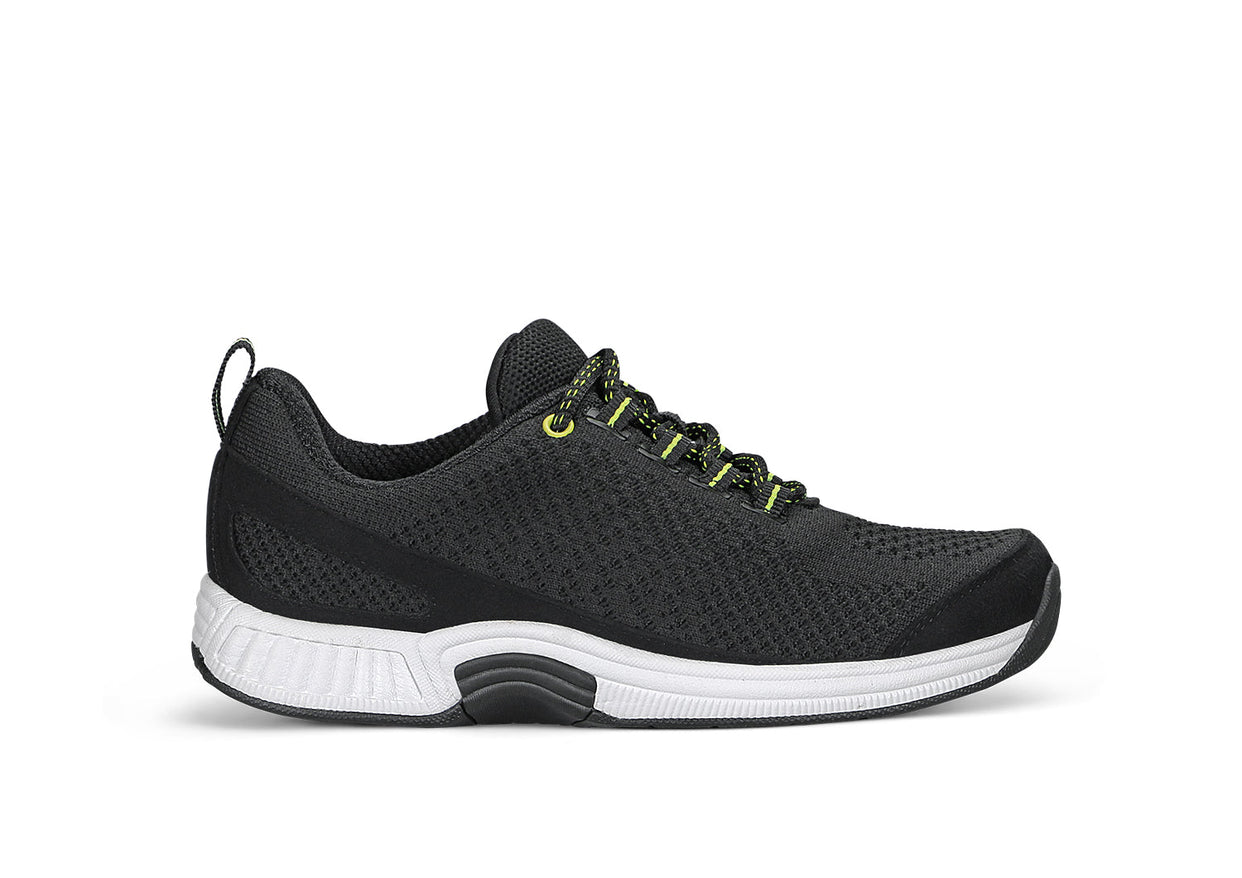
Orthofeet Coral
$129-$145
Choose this when
Your hand dexterity is largely unaffected but forefoot deformity, widening, or hammer toe development is your primary concern. The Coral's extra-depth stretch knit upper accommodates progressive forefoot widening and toe deformities without applying compression, and its seam-free interior protects inflamed synovial tissue. It also carries PDAC A5500 diabetic certification, which may be relevant if you are managing both conditions.
Women's equivalent of the Edgewater - biomedical-engineered extra-depth design
Stretch knit upper relieves pressure on bunions, hammertoes, and swollen feet
Deep heel cup with gel cushioning for plantar fasciitis and heel pain relief
The Honest Verdict
Both shoes are APMA accepted and address rheumatoid arthritis of the foot, but they solve two different problems the condition can create. If lacing and tying have become difficult due to hand involvement, the Kita's hands-free entry removes that obstacle directly. If your hands are largely unaffected and forefoot deformity is the bigger issue, the Coral's extra-depth accommodation is the more targeted choice. Since RA can progress and affect different joints over time, some people end up needing both at different stages.
Answer These. Then Decide
Four quick questions that point you toward the right shoe for your specific situation.
Has RA affected your hands or fingers significantly?
Is forefoot widening or hammer toe deformity your main concern?
Do you need a shoe with zero lacing or tying required?
Do you also need diabetic shoe certification?
Frequently Asked
Which is better for rheumatoid arthritis, Orthofeet Kita or Orthofeet Coral?
It depends on which part of RA affects you most. The Kita is the stronger choice if hand or finger involvement makes lacing difficult, since its heel spring entry requires no bending or grip strength at all. The Coral is the stronger choice if forefoot deformity and widening are your main concern and your hands are largely unaffected.
Does rheumatoid arthritis affect the hands and feet at the same time?
It can. RA is a systemic autoimmune condition that frequently affects multiple joint systems, and many people managing it in their feet also experience hand or finger involvement. That combination is exactly why hands-free entry design matters more for RA footwear than it does for most other foot conditions.
Can I use custom orthotics with either shoe?
Yes. Both the Kita and the Coral are built with extra-depth, orthotic-friendly construction that accommodates custom orthotic inserts, in addition to their respective deformity or dexterity focused features.
Is the Orthofeet Coral diabetic certified?
Yes. The Coral carries PDAC A5500 diabetic shoe certification, which may make it insurance eligible if you are managing diabetes alongside rheumatoid arthritis. The Kita does not carry this specific certification.
Related Comparisons
Still Not Sure Which Is Right for You?
Take our guided quiz and get a personalized recommendation based on your specific foot condition, activity level, and concerns. We explain exactly why each shoe fits your feet.