Last updated September 2026
Shoes After Foot Surgery
The right footwear during and after foot surgery recovery significantly impacts your outcome. The wrong footwear can undo surgical correction and set up conditions for recurrence.
This guide covers the transition phases from surgical shoe to long-term footwear for the most common foot procedures. Your surgical team's protocol takes precedence over every general recommendation here.
This guide provides general footwear education based on published clinical guidelines. Your surgeon and podiatrist determine your specific recovery protocol. Always follow your surgical team's instructions. Do not transition footwear without explicit clinical clearance.
Footwear Changes by Phase
Post-surgical footwear selection is phase-dependent. The shoe appropriate at 6 weeks is completely different from the shoe appropriate at 6 months.
Weeks 1 to 6
Surgical shoe or CAM boot
The post-operative surgical shoe or CAM walker boot provided by your surgeon is non-negotiable during this phase. It is custom-selected for your specific procedure, protects the surgical site, and maintains the alignment achieved during surgery. Do not substitute any other footwear during this period without explicit surgeon approval.
Footwear
Surgical shoe or CAM boot as prescribed
Weeks 6 to 12
Wide-toe, low-heeled soft transition shoe
Transition occurs only when your surgeon confirms bone consolidation on X-ray imaging and not based on how the foot feels. The transition shoe must have a wide or extra-wide toe box that does not contact healing incision sites, a soft upper, a low heel, and adequate cushioning. Post-surgical swelling is still present and fluctuates at this stage.
Footwear
Wide toe box, soft upper, low heel, maximum cushioning
Months 3 to 6
Gradual return to normal footwear
Return to a broader range of footwear as healing progresses and swelling subsides. The footwear that caused the original condition: narrow toe boxes for bunions, high heels for metatarsalgia, must be permanently avoided. This phase includes progressive return to activity under surgical team guidance.
Footwear
Wide options without the footwear features that contributed to surgery
Long-term
Permanent footwear changes
Surgery corrects a structural problem. Returning to the footwear that caused or accelerated the condition risks recurrence. The permanent footwear changes recommended after foot surgery are the same features this guide recommends: wide toe boxes, adequate cushioning, appropriate heel drop, and soft uppers.
Footwear
Wide toe box, maximum cushioning, permanently
Footwear Guidance by Surgery Type
General principles apply across procedures. Specific timelines are determined by your surgical team.
Bunionectomy
Early phase
Surgical shoe or CAM boot for 4 to 8 weeks - surgeon-determined.
Transition phase
Wide toe box soft shoes at 6 to 12 weeks and only after X-ray confirms bone healing.
Long-term
Permanently avoid narrow toe boxes, pointed toes, and heels over 1 to 2 inches. These are the footwear factors that accelerate hallux valgus progression and risk surgical recurrence.
Source: American College of Foot and Ankle Surgeons; Board-Certified Podiatric Surgeons clinical guidelines
Read the condition pageMorton's Neuroma Excision
Early phase
Surgical shoe or soft dressing for 2 to 4 weeks.
Transition phase
Wide forefoot shoe with maximum forefoot cushioning as swelling allows, typically 3 to 6 weeks.
Long-term
Wide toe box footwear is required permanently. The nerve has been removed, but recurrent neuromas can develop if narrow footwear compresses the remaining nerve stumps. Metatarsal pads may be recommended to redistribute forefoot pressure.
Source: Journal of Foot and Ankle Surgery; APMA
Read the condition pageHammertoe Correction
Early phase
Surgical shoe for 4 to 6 weeks, surgeon-determined by procedure type.
Transition phase
Extra-depth shoe with deep toe box at 6 to 8 weeks, which accommodates residual swelling and corrected toe position.
Long-term
Extra-depth shoes with deep toe boxes are required to maintain the corrected toe position. Returning to shoes with low toe boxes applies compressive force to the corrected joint and risks deformity recurrence.
Source: American College of Foot and Ankle Surgeons; Journal of Foot and Ankle Surgery
Read the condition pagePlantar Fascia Release
Early phase
CAM boot or surgical shoe for 1 to 3 weeks depending on procedure type.
Transition phase
Supportive shoes with arch support and heel cushioning as weight-bearing progresses.
Long-term
Arch support and heel cushioning remain important indefinitely. The fascial release reduces tension but does not eliminate the biomechanical factors that caused fasciitis. Footwear without arch support risks symptom recurrence.
Source: APMA; Journal of Orthopaedic and Sports Physical Therapy
Read the condition pageWhat Post-Surgical Feet Need
Features that apply across all procedures during the transition and long-term phases.
Wide or extra-wide toe box
Post-surgical swelling persists for weeks to months. A toe box that accommodated your foot before surgery may be too narrow during recovery. Wide and extra-wide options prevent upper pressure on healing incision sites.
Soft, seamless upper
Healing incision sites are sensitive to friction and pressure. A soft, flexible upper that conforms to the foot without rigid pressure points is essential during the early return-to-footwear phase.
Maximum cushioning
Post-surgical feet are more sensitive to impact than healthy feet. Maximum cushioning reduces the ground reaction forces transmitted to healing bone, joint, and soft tissue with every step.
Removable insole
Custom orthotics prescribed by your podiatrist post-surgery require a shoe with adequate interior depth and a removable insole. Many post-surgical patients require orthotics as part of their long-term management plan.
Low to moderate heel
High heels shift body weight onto the forefoot - precisely the area most commonly affected by foot surgery. A heel of 1 inch or lower maintains appropriate load distribution during recovery.
Easy entry and adjustable closure
Post-surgical dressings and persistent swelling make getting shoes on and off more difficult. Easy-entry designs and adjustable closures or velcro or stretch laces, accommodate swelling changes throughout the day.
Best Shoes for Post-Surgery Recovery
Wide toe boxes, soft uppers, maximum cushioning, and extra-wide options for post-surgical swelling. These are transition and long-term shoes - not surgical footwear.
These shoes are appropriate for the transition and long-term phases of recovery - after your surgeon clears you from the surgical shoe. Do not use any off-the-shelf shoe during the prescribed surgical shoe phase.
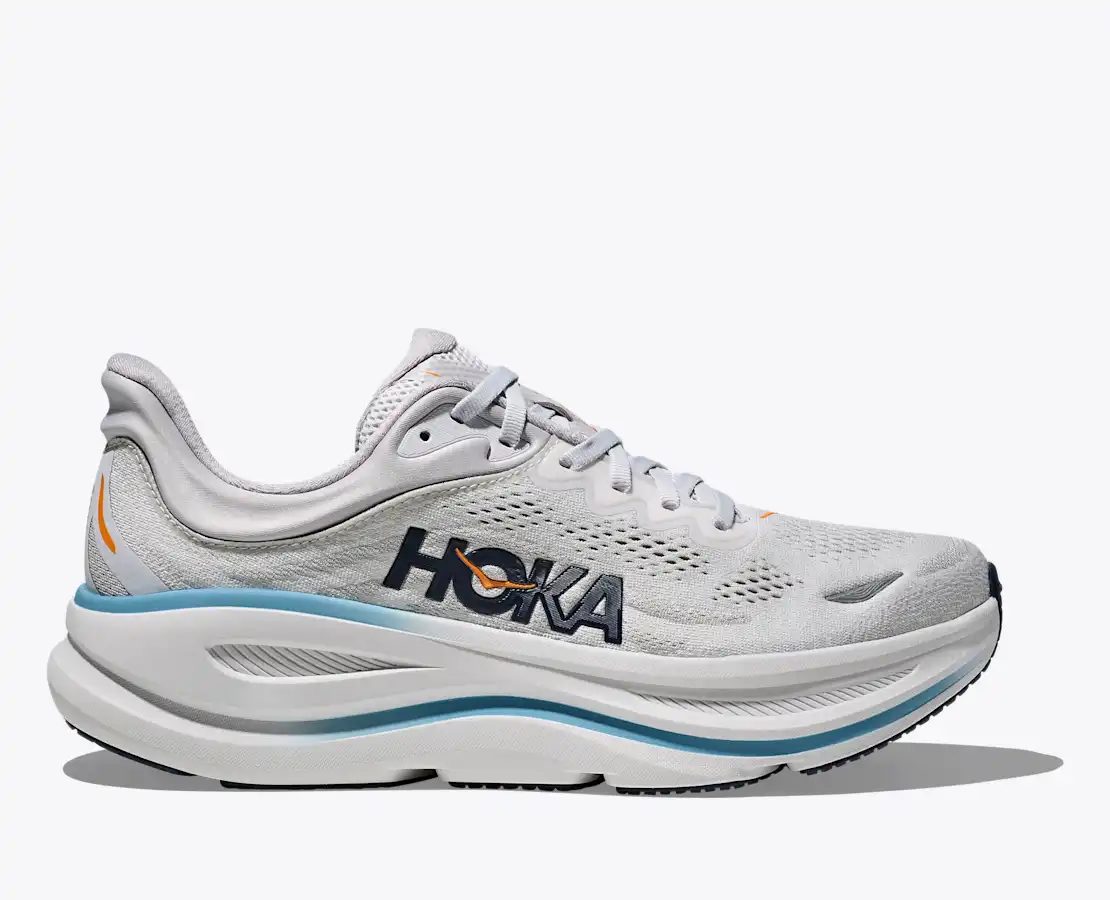
HOKA Bondi 9
hoka
$165-$180
Why for post-surgery recovery
Maximum cushioning absorbs joint impact during early return to walking after forefoot surgery. Meta-rocker geometry reduces first MTP joint flexion demands - critical for bunionectomy and hallux rigidus surgery recovery. Wide widths accommodate post-surgical swelling. APMA accepted.
Supercritical EVA foam for maximum plush cushioning
Meta-Rocker geometry reduces plantar fascia stress
APMA Seal of Acceptance pid=9031 - podiatrist top recommendation for heel pain - verified directly from APMA Seal Database May 2026
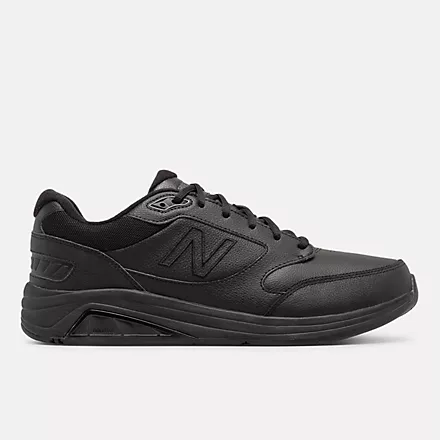
New Balance 928v3 Lace-Up Walking Shoe
new balance
$134-$145
Why for post-surgery recovery
Extra-depth motion control design accommodates post-surgical orthotics and persistent swelling. Wide and extra-wide options provide room for swollen feet without upper pressure on incision sites. Purpose-built walking shoe with the stability needed during gait relearning post-surgery.
ROLLBAR motion control technology and Clinical-Grade Support: The signature ROLLBAR® motion control system minimizes rear-foot movement, keeping your stride aligned and reducing stress on the plantar fascia.
Reduces morning heel pain and keeps you moving comfortably all day, whether you're on your feet for work or walking for fitness.
Maximum Shock Absorption: Engineered with ABZORB® cushioning in the midfoot to absorb harsh impacts, protecting your heels from painful concrete and hard floors.

Brooks Ghost 17
brooks
$140-$155
Why for post-surgery recovery
Available in four widths including 4E extra-wide - accommodates the forefoot swelling that persists for months after bunionectomy and hammertoe correction. Soft knit upper does not press against healing incision areas. DNA Loft cushioning maintains properties during the gradual return to activity. APMA accepted.
DNA Loft v3 nitrogen-infused foam for soft responsive cushioning
APMA Seal of Acceptance pid=9077 - PDAC A5500 diabetic shoe certified - verified directly from APMA Seal Database May 2026
Segmented crash pad for smooth heel-to-toe transitions
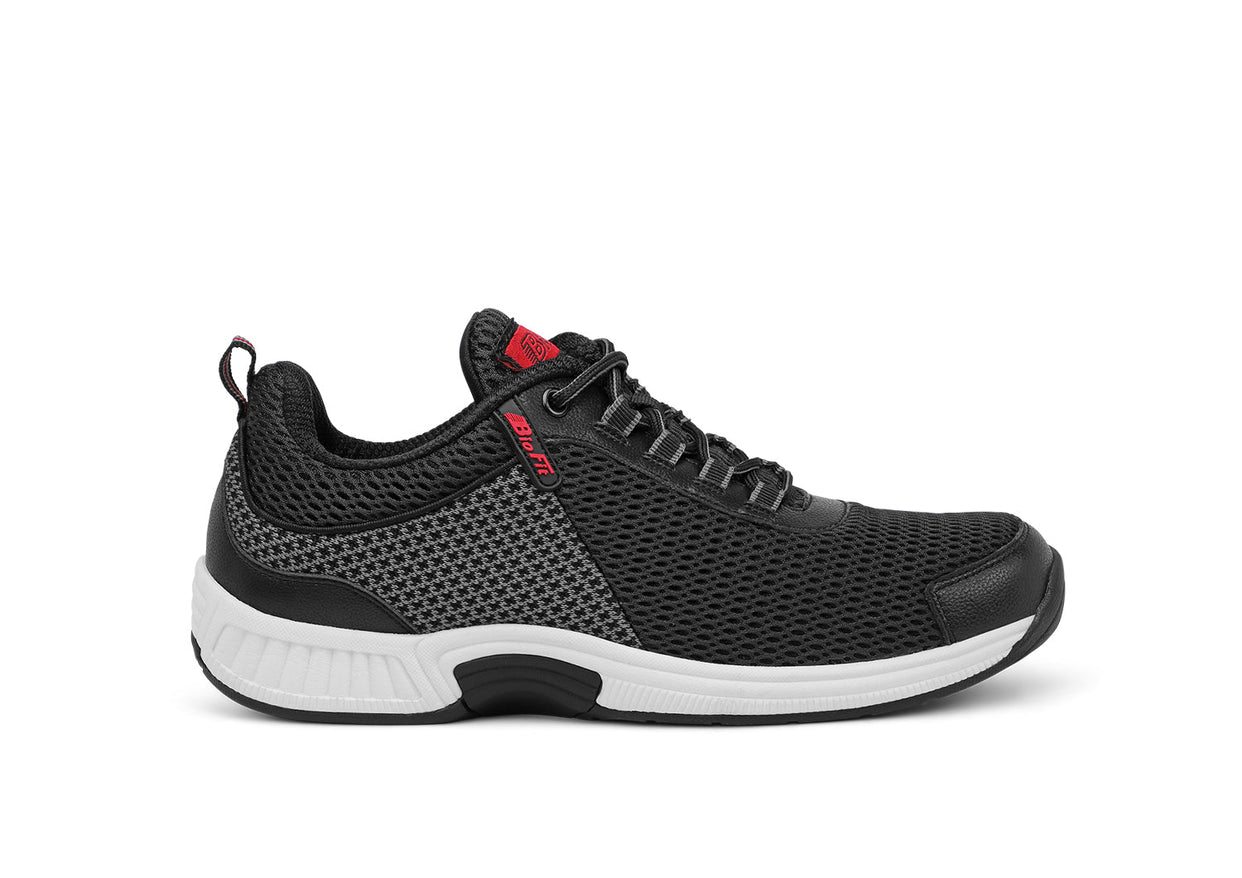
Orthofeet Edgewater
orthofeet
$129-$145
Why for post-surgery recovery
Extra-depth design specifically accommodates post-surgical orthotics and significant swelling. Seamless interior eliminates all internal friction against healing incision sites. Wide and extra-wide fits available. Frequently recommended by podiatrists for diabetic patients post-surgery and for any patient with sensitive post-operative feet. APMA accepted.
Biomedical-engineered extra-depth design accommodates custom orthotics
Stretch upper eliminates pressure on bunions, hammertoes, and swollen feet
Ergonomic Stride outsole with mild rocker reduces plantar fascia strain

New Balance Fresh Foam X 840v1
new balance
$109-$120
Why for post-surgery recovery
Walking-specific design with a roomy toe box and wide widths that accommodate the persistent forefoot swelling of early post-surgical recovery. Soft upper material does not create pressure over healing toe joints. Designed for all-day wear at low impact - appropriate for the walking phase of recovery.
Fresh Foam X cushioning
Spacious toe box
Supportive design for diabetic foot care

ASICS GEL-Nimbus 28
asics
$165-$175
Why for post-surgery recovery
Maximum cushioning with a wide forefoot that accommodates post-surgical swelling while providing the impact attenuation needed during the transition back to regular walking. FluidFit upper adapts to changing forefoot width across a day - relevant during the fluctuating swelling of post-surgical recovery. APMA accepted.
FF Blast Plus cushioning with PureGEL technology for maximum soft landings
25g lighter than previous version - exceptional cushioning without weight penalty
Engineered knit upper wraps foot for comfort and breathability

Brooks Addiction Walker 2
brooks
$130-$160
Why for post-surgery recovery
Available in four widths up to 4E extra-wide to accommodate significant post-surgical swelling. Specifically recommended by board-certified podiatric surgeons for the wide-toed transition period after bunion surgery. Full-grain leather upper resists pressure points during extended wear. Slip-resistant outsole reduces fall risk during the balance changes common in early recovery. APMA accepted.
Extended Progressive Diagonal Rollbar provides maximum motion control for severe overpronators
Full-grain leather upper offers durability and weather resistance for all-day wear
DNA midsole cushioning adapts to your stride for personalized comfort on hard surfaces

ASICS GEL-Kayano 32
asics
$160-$170
Why for post-surgery recovery
Available in four widths including extra-wide to accommodate post-surgical swelling. The GEL-Kayano series is consistently named in post-surgical footwear protocols by board-certified podiatrists. 4D Guidance System provides adaptive stability during the gait relearning phase that follows extended non-weight-bearing recovery. Higher stack height with PureGEL cushioning reduces impact on healing bone and soft tissue. APMA accepted.
4D Guidance System provides adaptive stability for overpronation control
FF Blast Plus foam midsole with higher stack height for balanced cushioning
PureGEL technology in heel for softer landings and shock absorption
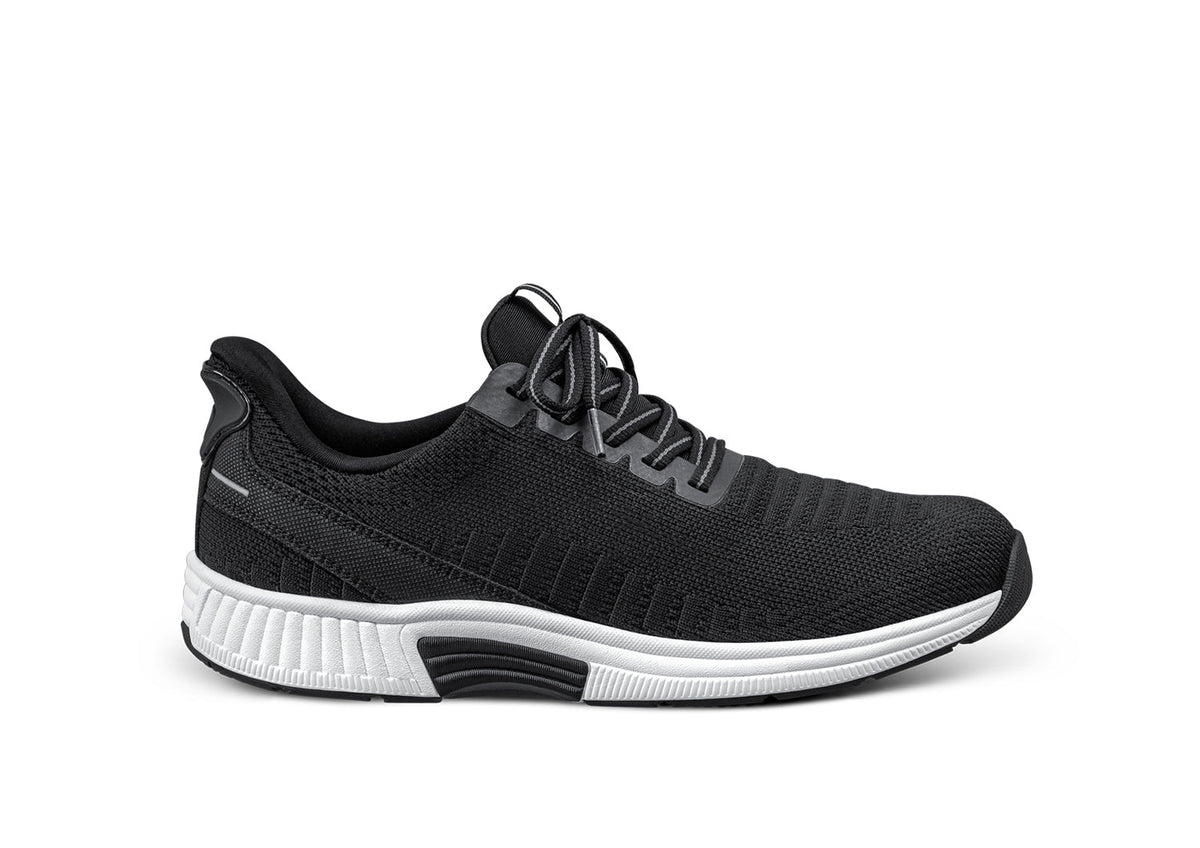
Orthofeet Kita
orthofeet
$130-$160
Why for post-surgery recovery
Hands-free heel-spring entry eliminates bending or grasping to put the shoe on - directly addresses the mobility limits and balance caution common in early post-surgical recovery. Water-repellent stretch upper accommodates swelling that fluctuates throughout the day without pressure on incision sites. Premium orthotic insole is removable to fit custom orthotics prescribed during recovery. Multi-layer Ortho-Cushion system with mild rocker reduces impact on healing joints. APMA accepted.
APMA Seal of Acceptance pid=9248 - Orthofeet Kita - verified directly from APMA Seal Database September 2026
Hands-Free Easy On/Off heel spring allows entry without bending or using hands
Multi-Layer Ortho-Cushion system with ergonomic sole and mild rocker for reduced impact
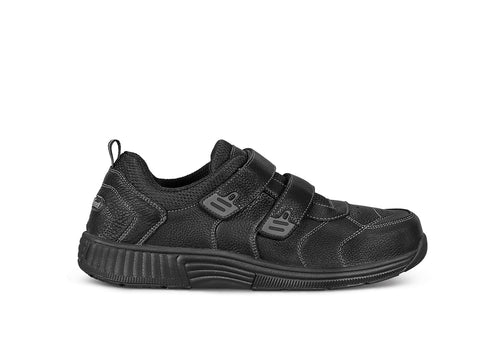
Orthofeet Alamo
orthofeet
$130-$145
Why for post-surgery recovery
Two-strap velcro closure replaces laces entirely - built for patients managing swelling, limited hand dexterity, or bandaging who cannot tie or adjust traditional laces during recovery. Extra-depth construction with multi-layer removable insoles fits custom orthotics of any thickness. Seam-free padded interior eliminates friction on healing or sensitive skin. Wide toe box with anatomical arch support keeps pressure off bunion and hammertoe surgical sites. APMA accepted.
Two-strap velcro closure system - ideal for patients with arthritis, limited hand dexterity, or swelling who cannot manage laces
Extra-depth construction with multi-layer removable insoles accommodates custom orthotics of any thickness
APMA Seal of Acceptance pid=7081 - verified directly from APMA Seal Database May 2026
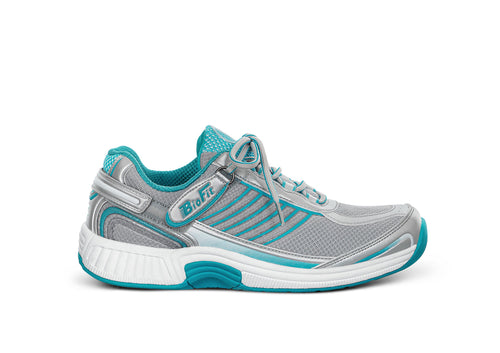
Orthofeet Verve
orthofeet
$130-$155
Why for post-surgery recovery
Tie-less closure with openable side tabs gives a secure fit with zero tying required - directly addresses the difficulty of managing laces after hand or dexterity-limiting recovery, or simply while balancing on one foot. Adjustable heel strap accommodates the swelling changes common through a recovery day. Removable Ortho-Cushion insoles fit custom orthotics. Non-binding wide upper keeps pressure off bunion and hammertoe surgical sites. APMA accepted.
Ingenious tie-less closure with openable tabs on either side - laced look with zero tying required
Adjustable heel strap secures custom fit - ideal for women with foot swelling or arthritis
APMA Seal of Acceptance pid=7101 - verified directly from APMA Seal Database May 2026
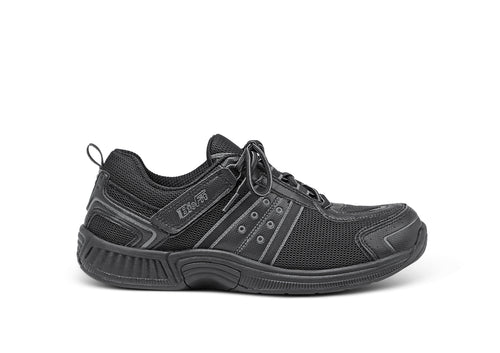
Orthofeet Monterey Bay
orthofeet
$125-$145
Why for post-surgery recovery
Tie-Less Lacing System combines laces with hook-and-loop straps for a secure fit with no tying required - built for patients managing arthritis, dexterity limits, or swelling during recovery. Extra-depth construction with removable multi-layer insoles and an Arch Booster fits custom orthotics and adds customizable support. Ergonomic rocker sole reduces plantar fascia and joint stress during the standing and short walks common in early recovery. Non-binding wide upper accommodates swollen or surgical feet. APMA accepted.
Tie-Less Lacing System integrates laces with hook-and-loop straps - secure fit without tying, ideal for arthritis and limited dexterity
Extra-depth construction with multi-layer removable insoles and Arch Booster for customizable support
APMA Seal of Acceptance pid=7118 - verified directly from APMA Seal Database May 2026
What to Avoid After Foot Surgery
Narrow or pointed toe boxes: the most common contributor to bunions, hammertoes, and Morton's neuroma
High heels: shift load onto forefoot structures most commonly affected by foot surgery
Tight lacing across the midfoot: creates direct pressure on healing extensor tendons and dorsal foot
Returning to pre-surgery footwear that contributed to the condition requiring surgery
Transitioning out of surgical footwear before surgeon confirms bone healing on imaging
Minimalist or thin-soled shoes: eliminate the cushioning post-surgical feet require long-term
Frequently Asked Questions
When can I wear normal shoes after foot surgery?
Your surgeon determines this based on imaging and clinical assessment - not general timelines. For most bunionectomy procedures, transition from the surgical shoe occurs at 6 to 8 weeks, but returning to a full range of footwear may take 3 to 6 months. Do not transition footwear without surgeon clearance.
Why does my foot still swell months after surgery?
Post-surgical swelling is normal and expected for 3 to 12 months depending on the procedure. The surgical trauma, bone healing, and lymphatic recovery all contribute. Swelling is typically worst at the end of the day and after prolonged standing or walking. Shoe selection during this period should accommodate the maximum daily swelling, not the morning low.
Do I need custom orthotics after foot surgery?
Many patients benefit from custom orthotics prescribed post-surgery to address the biomechanical factors that contributed to the original condition. Your podiatrist or surgeon will assess whether orthotics are appropriate for your specific procedure and foot structure. If orthotics are prescribed, all footwear must have removable insoles with adequate interior depth.
Can the same condition recur after surgery?
Yes. Surgical correction addresses the structural deformity but not the underlying footwear and biomechanical factors that drove it. Bunions can recur if narrow toe box footwear is resumed. Hammertoes can redevelop if low toe box shoes are worn. Permanently adopting the footwear features this guide recommends is the primary recurrence prevention strategy.
Should I see my podiatrist for footwear guidance after surgery?
Yes. Your surgical team, the podiatric surgeon and any referring podiatrist, is the authoritative source for footwear guidance specific to your procedure, healing progress, and foot structure. This guide provides general evidence-based principles. Your clinical team provides the individualized guidance that your specific situation requires.
What is the difference between a post-op shoe and a CAM boot?
A post-op shoe has a rigid, flat sole and is used after forefoot procedures like bunion correction, hammertoe repair, and metatarsal osteotomies, where the goal is preventing the foot from bending at the surgical site during walking. A CAM boot immobilizes the ankle joint and is used after ankle surgery, hindfoot procedures, Achilles tendon repair, and fractures requiring more complete stabilization. Your surgeon selects the correct device based on your specific procedure.
Do I need to wear a shoe on my other foot too?
Yes. Wearing a shoe with a similar heel height on your non-surgical foot helps prevent limb-length discrepancy while you are in a post-op shoe or CAM boot, which can otherwise lead to secondary back or hip strain during recovery. This is a small detail that is easy to overlook but recommended by surgical teams.
Can I wear sandals or flip-flops during recovery?
No. Sandals and flip-flops should be avoided entirely during every phase of post-surgical recovery. They provide no protection for the surgical site, no motion control for healing bone or soft tissue, and no stability for a foot still regaining normal balance and strength. Wait until your surgeon clears unrestricted footwear before wearing open sandals again.
Condition Pages
More Shoe Guides
From the MySoleMatch Journal
MySoleMatch provides general footwear education based on published clinical guidelines from the American College of Foot and Ankle Surgeons, APMA, and peer-reviewed podiatric literature. This guide does not constitute medical advice and does not substitute for guidance from your surgical team. Always follow your surgeon's specific post-operative protocol. If you have questions about your recovery, contact your podiatrist or surgeon directly.
Need Local Podiatrist Support?
Find a podiatrist in your city for post-surgical follow-up, custom orthotic prescription, and footwear guidance specific to your recovery.