Disclosure: We may earn a small commission if you purchase through links on this page. No additional cost to you. We just want to be transparent about how we fund this site.
HOKA Clifton 10 vs OOFOS OOmega OOahh Slide for Haglund's Deformity
One is built for a full day of wear with a soft heel collar. The other removes heel contact entirely. Here is when you need each.
We don't just recommend shoes. We explain why they work for your feet.
What You Need to Know First
Haglund's deformity is a bony enlargement on the back of the heel bone where it meets the Achilles tendon, sometimes called a pump bump because it is commonly aggravated by rigid backed dress shoes. The prominence rubs against a shoe's heel counter, inflaming the bursa between the bone and the tendon. Unlike most heel conditions, the footwear fix is not more structure. It is less contact with the back of the heel altogether.
Haglund's deformity is a bony bump on the back of the heel that flares up whenever a shoe's heel counter presses against it. Most heel condition advice points toward more structure and support, but Haglund's deformity calls for the opposite strategy. The goal is reducing or removing contact with the back of the heel entirely. The HOKA Clifton 10 and the OOFOS OOmega OOahh Slide represent two different ways to do that. The Clifton 10 keeps one of the softest, most flexible heel collars in its class with no rigid posterior tab, making it a genuine option for a full day of walking, working, or light exercise. The OOmega OOahh Slide removes the back of the shoe altogether, making it the stronger choice during an active flare or for recovery at home. Neither is the wrong answer. The right one depends on whether you need to get through a day of activity or need to protect an inflamed heel while it settles down.
Specs Compared
Factual specs only. No brand is favored. You decide what matters most for your feet.
Which One Is Right for You?
Both are excellent. Here is the honest case for each based on your specific situation.
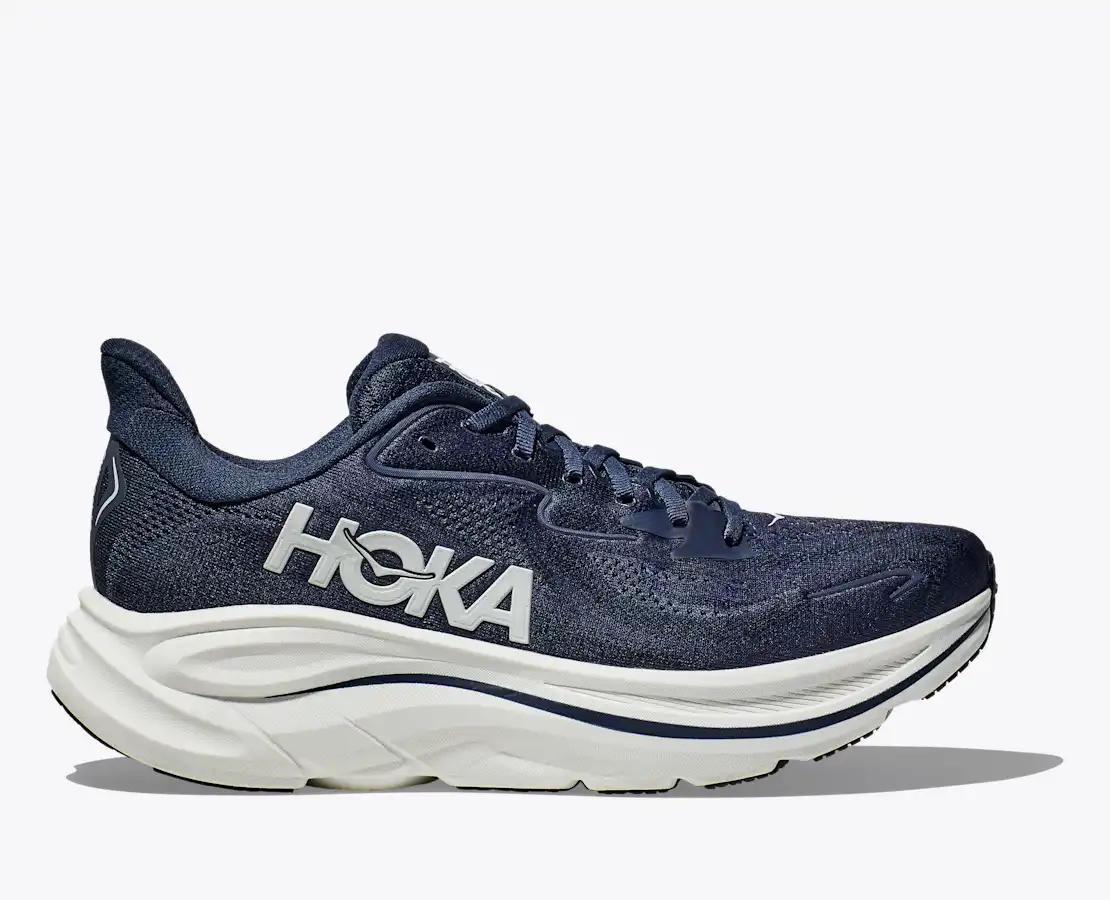
HOKA Clifton 10
$145-$160
Choose this when
You need a shoe for actual daily wear rather than just recovery. The Clifton 10 has one of the softest, most flexible heel collars available with no rigid posterior tab pressing on the prominence. Its 8mm drop and cushioned heel construction reduce Achilles tension without a firm back digging into the bone. It is the stronger choice if you are still working, walking, or exercising through the day and need real support that will not aggravate the deformity further.
CM EVA midsole for plush responsive cushioning
8mm heel drop reduces Achilles and calf strain
APMA Seal of Acceptance pid=9032 - lightweight daily trainer verified directly from APMA Seal Database May 2026
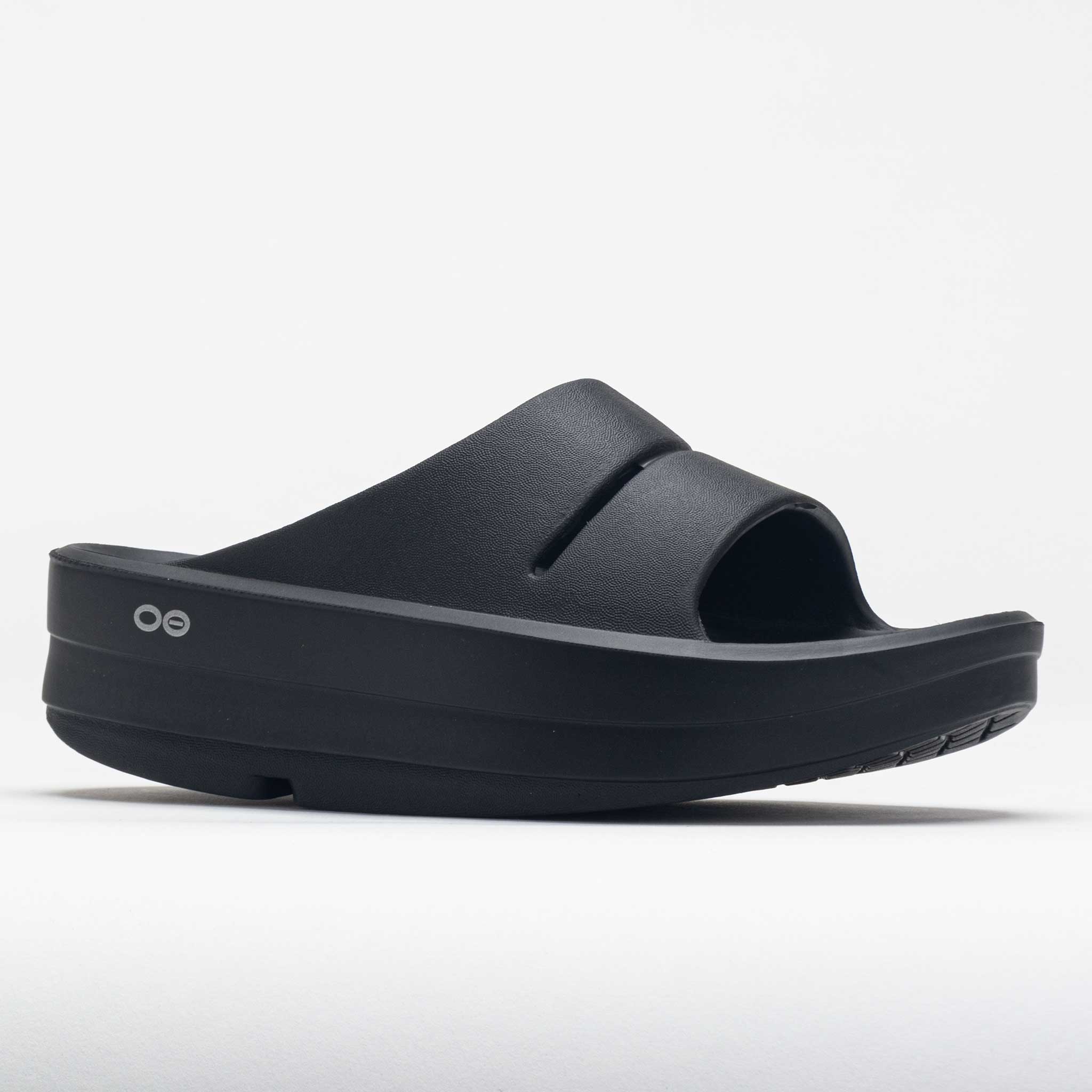
OOFOS OOmega OOahh Slide
$60-$75
Choose this when
You are managing an active flare or need relief after a long day on your feet and want zero contact with the back of your heel. The open backed slide design eliminates heel contact entirely, something no laced daily trainer can fully replicate. OOFoam construction absorbs significantly more impact than standard cushioning foam. It is the better choice for evenings, around the house, or immediately after activity, though it is not meant to replace a primary daily shoe for extended outdoor walking.
OOFoam technology absorbs 37% more impact than traditional footwear foam
APMA Seal of Acceptance pid=8716 - verified directly from APMA Seal Database May 2026
Closed toe design with biomechanical footbed reduces plantar fascia strain
The Honest Verdict
Both shoes are APMA accepted, but they solve Haglund's deformity differently because the condition itself calls for two different strategies depending on where you are in managing it. If you need one shoe to get through a work day or a run without irritating the bump, the Clifton 10's soft heel collar is the safer everyday option. If you are managing an active flare or need relief after being on your feet, the OOmega OOahh Slide's open back removes the source of irritation completely. Many people with Haglund's deformity end up owning both, the Clifton 10 for daily wear and the OOFOS for recovery.
Answer These. Then Decide
Four quick questions that point you toward the right shoe for your specific situation.
Are you managing an active flare right now?
Do you need a shoe for a full day of walking or activity?
Does any contact with the back of your heel cause pain?
Do you need Achilles support during exercise or extended walking?
Frequently Asked
Which is better for Haglund's deformity, HOKA Clifton 10 or OOFOS OOmega OOahh Slide?
It depends on what you need the shoe for. The Clifton 10 is the stronger choice for daily wear because its soft heel collar avoids aggravating the prominence during a full day of activity. The OOmega OOahh Slide is the stronger choice during an active flare because its open back removes all contact with the back of the heel.
Can I wear the OOFOS OOmega OOahh Slide all day for Haglund's deformity?
It is best used as a recovery or around home option rather than a primary daily shoe. It is not designed for extended outdoor walking or all day wear the way a structured trainer like the Clifton 10 is. Use it for flare management and recovery, then switch to a supportive daily shoe once symptoms settle.
What shoe features should I avoid with Haglund's deformity?
Avoid rigid or structured heel counters, stiff dress shoes and pumps, and any shoe with a firm back that presses directly against the bony prominence. The goal is minimizing pressure and friction at the back of the heel rather than adding support there.
Does heel drop matter for Haglund's deformity?
Heel drop matters less than heel counter rigidity for this specific condition. The Clifton 10 has an 8mm drop and the OOmega OOahh Slide has a 0mm drop, but the deciding factor between them is contact and flexibility at the back of the heel, not the drop itself.
Related Comparisons
Still Not Sure Which Is Right for You?
Take our guided quiz and get a personalized recommendation based on your specific foot condition, activity level, and concerns. We explain exactly why each shoe fits your feet.