Disclosure: We may earn a small commission if you purchase through links on this page. No additional cost to you. We just want to be transparent about how we fund this site.
Orthofeet vs Altra for Hammertoes
A therapeutic everyday shoe built to accommodate the deformity against a wide-toe-box trail shoe for hikers who won't slow down.
We don't just recommend shoes. We explain why they work for your feet.
What You Need to Know First
A hammertoe forms when the toe's middle joint bends and stiffens into that position, usually from tendon imbalance, tight footwear, or an underlying condition like arthritis. Because the bent toe sits taller than a straight one, a standard shoe's toe box crowds and rubs it with every step. The features that matter most are genuine extra depth, a soft or stretchable upper that conforms around the deformity instead of pressing on it, and enough vertical room that the toe never touches the top of the shoe.
Hammertoes bend at the middle joint and stay that way, which means the toe box needs real vertical clearance, not just a bit of extra room. Orthofeet and Altra solve that the same way in principle but from completely different starting points. Orthofeet builds Edgewater specifically as a therapeutic, insurance-eligible everyday shoe for people managing hammertoes alongside diabetes or general foot sensitivity. Altra builds the Lone Peak 9 as a serious trail hiking shoe that happens to have one of the widest, most accommodating toe boxes on the market. If your hammertoes need to coexist with an active outdoor life rather than a quiet everyday one, that difference matters.
Specs Compared
Factual specs only. No brand is favored. You decide what matters most for your feet.
Which One Is Right for You?
Both are excellent. Here is the honest case for each based on your specific situation.
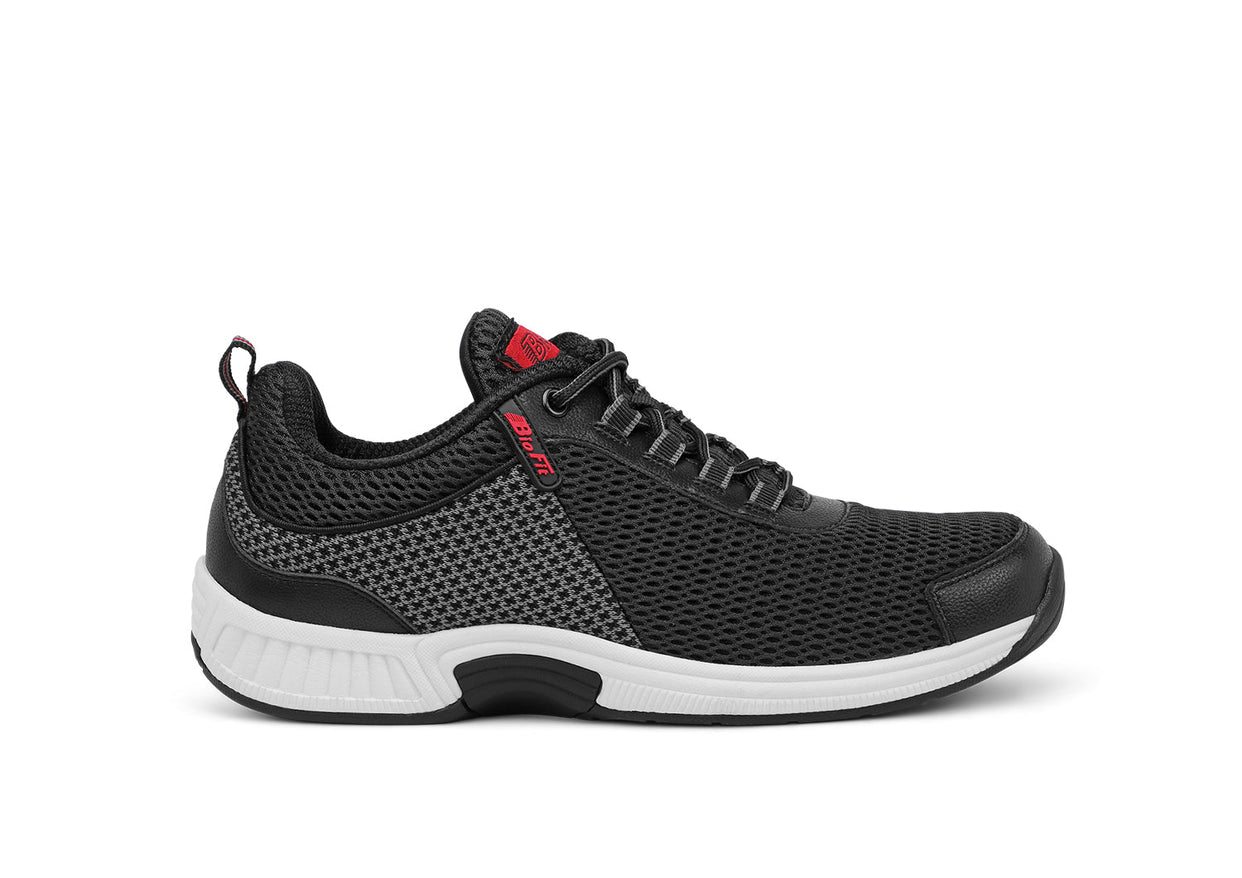
Orthofeet Edgewater
$129-$145
Choose this when
You need an everyday shoe built around accommodation first, especially if diabetes or reduced foot sensation is part of the picture. The Edgewater's stretch upper is engineered specifically to conform around a hammertoe deformity without creating pressure points, and its seam-free interior protects feet that may not register early friction warning signs. Diabetic footwear insurance coverage may apply here too, since the shoe meets PDAC A5500 requirements.
Biomedical-engineered extra-depth design accommodates custom orthotics
Stretch upper eliminates pressure on bunions, hammertoes, and swollen feet
Ergonomic Stride outsole with mild rocker reduces plantar fascia strain
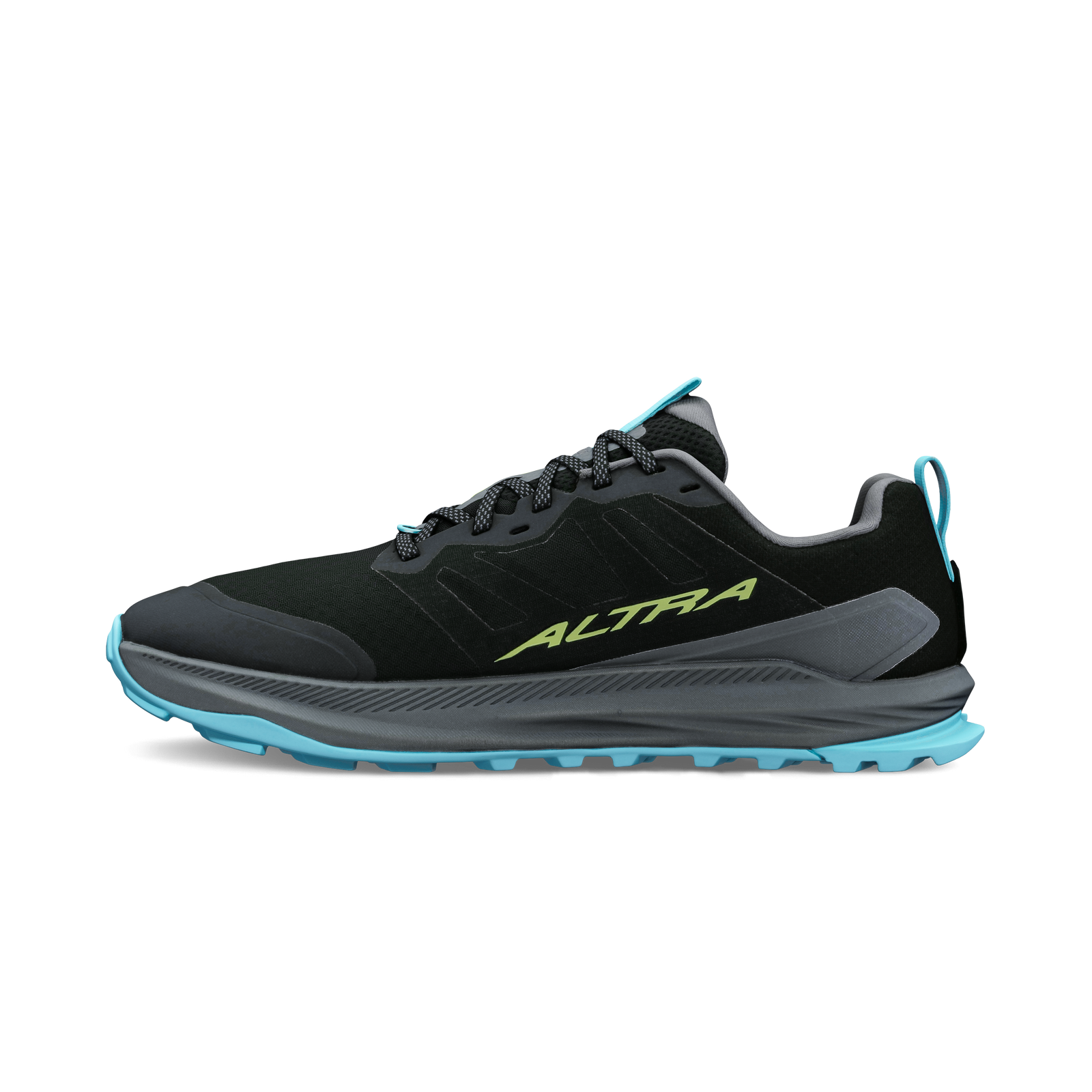
Altra Lone Peak 9
$140-$150
Choose this when
Your hammertoes need to coexist with an active life on trails, not a purely therapeutic everyday shoe. The Lone Peak 9's FootShape toe box gives contracted toes the same natural splay and vertical room it gives every other toe, specifically preventing the compression that gets worse on long descents. It is also zero-drop, which many podiatrists recommend alongside wide-toe-box designs for hikers managing hammertoes and bunions together, and its Vibram Megagrip outsole handles terrain the Edgewater was never built for.
FootShape toe box provides full natural toe splay on uneven trail terrain - eliminating the forefoot compression that causes blisters and black toenails on long hikes
Zero-drop platform keeps the foot in a natural position on varied terrain - reducing Achilles and calf overload from elevated heel trail shoes
Vibram Megagrip outsole provides exceptional traction on wet rock, mud, and loose gravel - one of the most trusted trail outsoles available
The Honest Verdict
Neither shoe fakes its way into solving the hammertoe toe box problem - both bring a genuinely engineered solution, just for different daily lives. If your priority is a therapeutic everyday shoe, especially one that may be insurance eligible through diabetic footwear coverage, the Edgewater is purpose-built for that. If you are still hiking and refuse to let hammertoes take that away, the Lone Peak 9 is the most consistently podiatrist-recommended trail shoe for exactly this problem. Neither shoe pretends to do the other's job.
Answer These. Then Decide
Four quick questions that point you toward the right shoe for your specific situation.
Are you managing hammertoes alongside diabetes or reduced foot sensation?
Do you need this shoe for hiking or trail use?
Would diabetic shoe insurance coverage make a difference for you?
Do you also deal with bunions or wide feet alongside your hammertoes?
Frequently Asked
Which is better for hammertoes - Orthofeet or Altra?
It depends on your lifestyle, not just your hammertoes. The Orthofeet Edgewater is the stronger choice for a therapeutic everyday shoe, especially if diabetes or insurance eligibility is a factor. The Altra Lone Peak 9 is the stronger choice if you need a real trail hiking shoe that also accommodates the deformity.
Can a trail shoe actually work for hammertoes?
Yes, if it has genuine toe box depth and width. The Altra Lone Peak 9 is specifically called out by podiatrists as one of the most accommodating trail shoes for hammertoes and bunions, thanks to its FootShape toe box design, which is not typical of most trail shoes.
Is the Orthofeet Edgewater covered by insurance?
It carries PDAC A5500 diabetic shoe certification, which can make it eligible for insurance coverage if you have diabetes and meet your plan's requirements. Coverage details vary by insurer, so confirm eligibility directly with your provider.
Do hammertoes need a zero-drop shoe?
Not necessarily. What matters most is toe box depth and width, not heel drop. The Lone Peak 9 happens to be zero-drop as part of its broader trail design, and that combination is often recommended together for hikers, but a standard-drop shoe like the Edgewater works just as well when depth and width are the priority.
Related Comparisons
Still Not Sure Which Is Right for You?
Take our guided quiz and get a personalized recommendation based on your specific foot condition, activity level, and concerns. We explain exactly why each shoe fits your feet.