Disclosure: We may earn a small commission if you purchase through links on this page. No additional cost to you. We just want to be transparent about how we fund this site.
HOKA vs Vionic for High Arches
A versatile maximum-cushion performer against a walking-focused everyday shoe - which fits your cavus foot better?
We don't just recommend shoes. We explain why they work for your feet.
What You Need to Know First
High arches reduce the foot's natural ability to absorb shock through pronation, concentrating impact at the heel and ball of the foot instead. The right shoe compensates with maximum shock absorption and a neutral platform, since stability or motion-control features designed for overpronation can actually worsen supination in a high-arch foot. A deep heel cup and a wide toe box also help reduce pressure on the smaller contact points a cavus foot creates.
High arches, sometimes called cavus foot, concentrate pressure into a smaller contact area at the heel and forefoot instead of spreading it across the whole sole. Because that foot type naturally supinates rather than pronates, stability shoes are the wrong tool here - they add correction the foot does not need. Both HOKA and Vionic get this right and build genuinely neutral shoes, but for different parts of your day. HOKA leads with maximum, do-everything cushioning built for running, standing, and everyday wear alike. Vionic leads with a lighter, more affordable, walking-focused shoe built around immediate step-in softness rather than long-mileage performance.
Specs Compared
Factual specs only. No brand is favored. You decide what matters most for your feet.
Which One Is Right for You?
Both are excellent. Here is the honest case for each based on your specific situation.
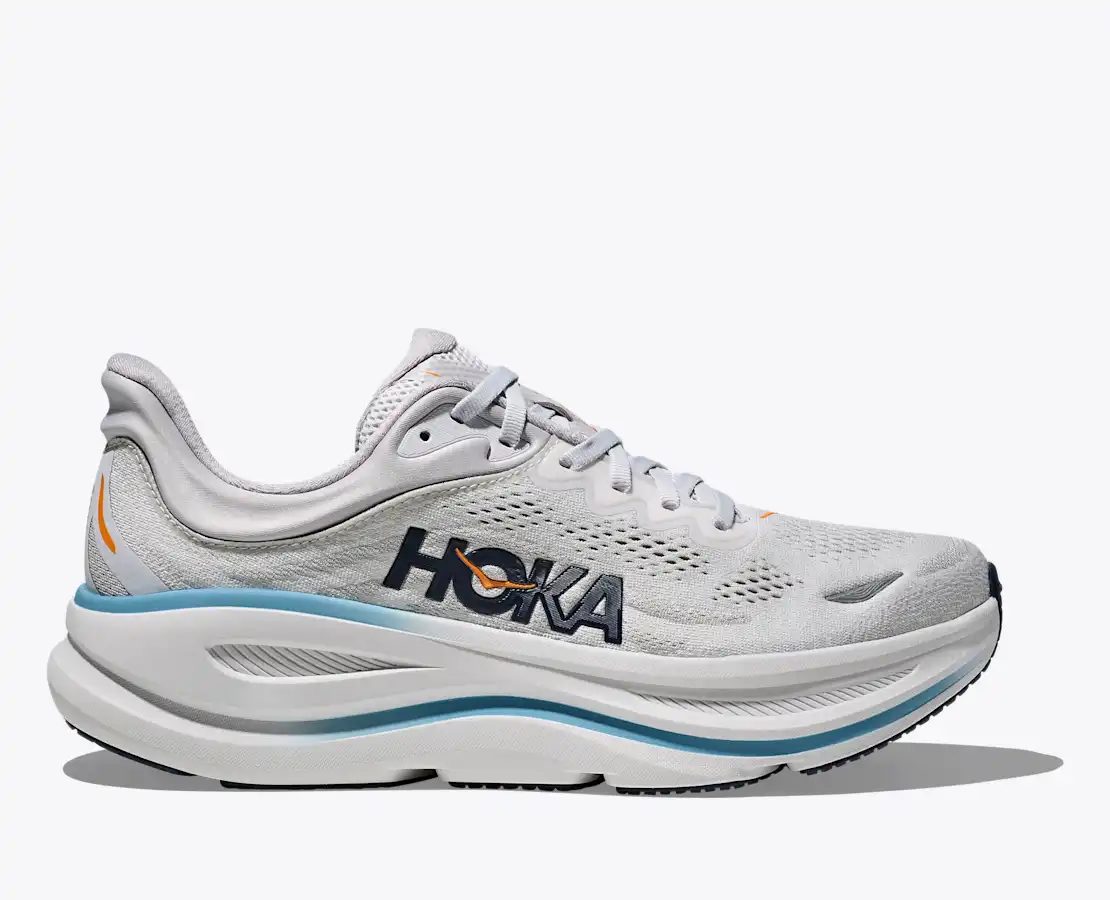
HOKA Bondi 9
$165-$180
Choose this when
You need one shoe that performs across running, standing, and everyday wear without switching pairs. The Bondi 9's maximum stack height distributes the concentrated heel and forefoot pressure of a cavus foot across the widest possible midsole surface available, and its neutral platform never fights your natural supination. Mixed terrain and wide-width needs both tilt toward this one as well.
Supercritical EVA foam for maximum plush cushioning
Meta-Rocker geometry reduces plantar fascia stress
APMA Seal of Acceptance pid=9031 - podiatrist top recommendation for heel pain - verified directly from APMA Seal Database May 2026
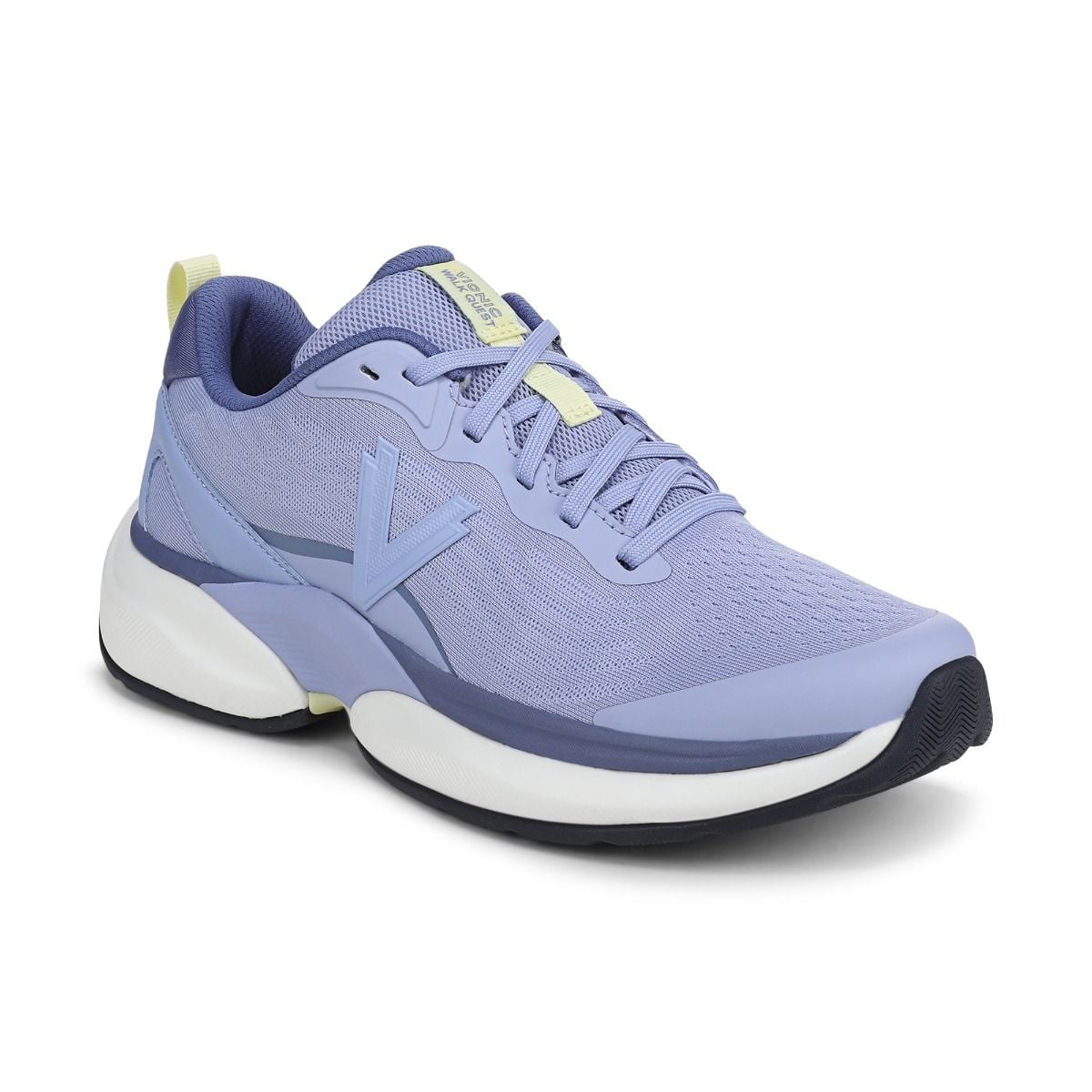
Vionic Walk Quest
$120-$140
Choose this when
Your primary need is a comfortable, softer walking shoe rather than a running or all-purpose performer, and budget matters. The Walk Quest's Super Critical Foam midsole delivers an immediately soft, cushioned step-in feel at a lower price point than the Bondi 9. When APMA-verified everyday cushioning is the goal without paying for running-specific performance features that would go unused, this is the more sensible pick. Note that it is currently confirmed only in Medium width, so wide feet should size and fit carefully.
APMA Seal of Acceptance pid=9394 - Vionic Walk Quest - verified directly from APMA Seal Database August 2026; also explicitly cited as 'APMA Seal of Acceptance' on Vionic's own product page
Super Critical Foam midsole for soft, immediate step-in cushioning
Breathable engineered mesh with seamless TPU overlays for structure and stability
The Honest Verdict
Both shoes are APMA accepted and correctly neutral, which is the right call for high arches regardless of which one you pick. If you need genuine versatility across running, standing, and daily wear, the Bondi 9 is worth the higher price. If you mainly walk and want reliable cushioning without paying for performance features you will not use, the Walk Quest covers the same core need for less. Fit matters more here than usual - if you need width beyond Medium, that decision is made for you.
Answer These. Then Decide
Four quick questions that point you toward the right shoe for your specific situation.
Do you need one shoe that works for running, standing, and everyday wear?
Is budget a significant factor in your decision?
Do you need a wide-width option?
Is walking your primary activity rather than running or standing shifts?
Frequently Asked
Which is better for high arches - HOKA or Vionic?
Neither is universally better. The HOKA Bondi 9 is the stronger all-purpose choice if you need one shoe for running, standing, and everyday wear. The Vionic Walk Quest is a solid, more affordable choice if walking is your main activity and you do not need running-level performance.
Should high arches avoid stability shoes entirely?
Generally yes. High arches naturally supinate rather than pronate, so the medial support built into stability and motion-control shoes is designed to correct a problem a cavus foot does not have, and can worsen supination. Both the Bondi 9 and the Walk Quest are correctly built as neutral shoes for this reason.
Does the Vionic Walk Quest come in wide widths?
Not currently confirmed. Available sourcing only verifies Medium (B) width for this model, so if you need a wide toe box, the HOKA Bondi 9's 2E option is the more reliable choice.
What heel drop is best for high arches?
There is no single ideal heel drop for high arches - what matters more is maximum cushioning and a neutral platform. The Bondi 9 has a confirmed 5mm drop. The Walk Quest's heel drop has not been independently confirmed by the manufacturer, so no specific figure should be treated as verified for that model.
Related Comparisons
Still Not Sure Which Is Right for You?
Take our guided quiz and get a personalized recommendation based on your specific foot condition, activity level, and concerns. We explain exactly why each shoe fits your feet.